Origins & History of Tarot
Tarot is an intricate deck of 78 symbolically illustrated cards used for intuitive reflection, spiritual discernment, and conscious decision-making. Far from the sensationalized myths of dark sorcery, tarot originated as a sophisticated artistic dialogue between Renaissance humanism, Christian allegory, and classical philosophy.
Over six centuries, tarot evolved from an aristocratic Italian parlor game into one of humanity's most revered systems of metaphysical exploration and psychological insight.
Structure of the Tarot Deck: Major & Minor Arcana
A standard tarot deck comprises exactly 78 sacred cards, divided into two distinct yet interdependent realms: the Major Arcana and the Minor Arcana.
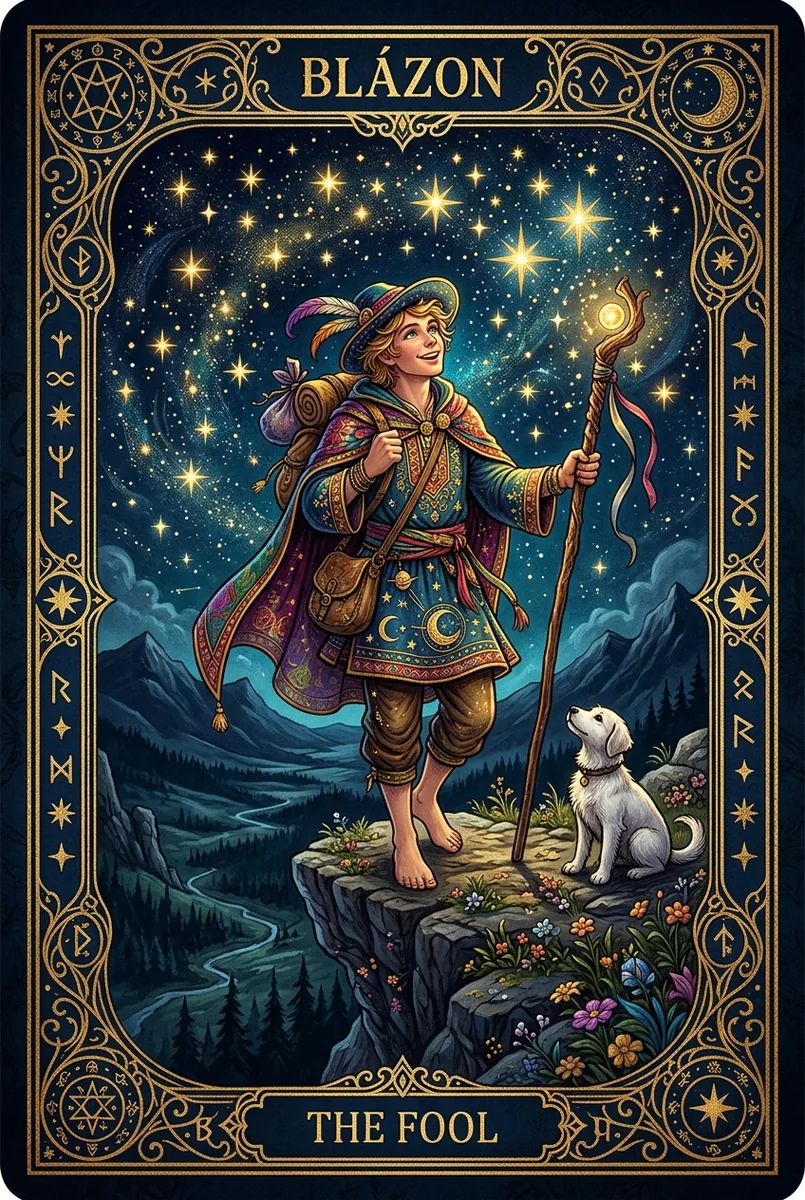
- The Major Arcana (22 Cards, 0–XXI): Depicts pivotal life themes, universal spiritual archetypes, and soul initiations — famously known as The Fool's Journey. From The Fool (infinite potential and radical trust) to The Magician (conscious manifest power), The High Priestess (intuitive knowing), The Wheel of Fortune (cycles and karmic shifts), Death (profound spiritual rebirth), The Star (radiant hope), and The World (culmination and wholeness), these 22 archetypes mirror major turning points in the human condition.
- The Minor Arcana (56 Cards, 4 Elemental Suits): Reflects the subtle dance of daily life — everyday decisions, emotional shifts, communication dynamics, and material circumstances. It is organized into four suits of 14 cards each (Ace through 10, plus four Court Cards: Page, Knight, Queen, and King):
- Wands (Fire): Creative inspiration, ambition, spiritual drive, willpower, and personal vitality.
- Cups (Water): Emotional depth, relationships, unconditional love, intuitive empathy, and matters of the heart.
- Swords (Air): Intellect, cognitive clarity, honest communication, belief systems, and mental resilience.
- Pentacles (Earth): Material foundation, career, physical wellness, abundance, and long-term grounding.
Carl Jung & the Psychology of Tarot Archetypes
🧠 Archetypes and the Collective Unconscious
Renowned Swiss psychiatrist Carl Gustav Jung observed that tarot imagery serves as an astonishing visual manifestation of the collective unconscious — the inherited matrix of archetypal symbols shared by all humanity across centuries and continents.
Cards such as The High Priestess (the Anima / intuitive wisdom), The Emperor (structure and conscious authority), The Hermit (introspection), and The Devil (the psychological Shadow) depict foundational dynamics of our inner world. When you draw a card, your subconscious projects its private reflections onto the artwork. In Jungian psychology, tarot functions as an elegant projective tool — illuminating what lies just beneath the surface of conscious thought.
How a Tarot Reading Actually Works
A reading begins when Madame Astral grounds herself and attunes to the unique energetic frequency of the seeker and their inquiry. Every soul brings a distinct tapestry of questions, intentions, and emotional vibrations into the reading space.
The cards are shuffled intentionally and drawn into focused spreads — such as the classic Past-Present-Future layout, the relationship cross, or the multifaceted Celtic Cross. Each position in the spread designates a specific perspective: the root of the matter, hidden challenges, subconscious influences, and approaching opportunities.
Rather than reading each card as an isolated dictionary definition, Madame Astral synthesizes the cards in context — evaluating elemental balances, recurring numbers, visual dialogue between cards, and synchronistic patterns. Furthermore, she weaves your zodiac sign and current astrological transits into the interpretation, delivering an exceptionally accurate and multidimensional reading tailored to your path.
Ethics & Intent: How Madame Astral Reads Tarot
Every reading at Madame Astral is grounded in an unshakeable ethical code designed to support, heal, and inspire:
- Empowerment Over Fatalism: Tarot does not predict a rigid, unalterable fate. You are always the conscious co-creator of your destiny, endowed with sacred free will.
- Constructive Illumination: Intense or challenging cards — such as The Tower, Death, or the Ten of Swords — are never interpreted as doom. They indicate breakthrough moments, liberation from toxic patterns, and necessary rebirth.
- No Fear or Manipulation: We never employ fear tactics, curses, or pressure. Every reading is offered in unconditional love and transparency.
- Strict Confidentiality: Your personal questions, identity, and reading outcomes are treated with absolute privacy and reverence.
- Responsible Boundaries: Tarot is a magnificent catalyst for personal discernment, meditation, and emotional clarity, but it does not replace licensed medical, psychological, legal, or financial professional care.
Common Myths & Misconceptions About Tarot
The Reality: Tarot highlights current energetic currents and the most likely outcomes if you remain on your present trajectory. The moment you gain awareness through a reading, you gain the power to make new choices and alter your future.
The Reality: The cards are printed cardstock featuring universal allegories and artistic symbols. They hold no malevolent power. The energy of a reading is defined exclusively by the consciousness and loving intent of the reader.
The Reality: The Death card (Major Arcanum XIII) almost never signifies physical mortality. It is one of the most liberating cards in the deck, signaling the natural closing of an old cycle, the shedding of outworn habits, and fertile ground for fresh beginnings.
The Reality: This is a harmless folktale. Choosing a deck that speaks directly to your aesthetic taste, intuition, and heart is the most empowering way to begin your personal tarot journey.